Transcranial Magnetic Stimulation (TMS) uses focused magnetic pulses to non-invasively stimulate specific brain regions, activating underactive neural circuits and modulating overactive ones. FDA-cleared for depression and OCD, TMS is also being used for anxiety, PTSD, and cognitive enhancement.
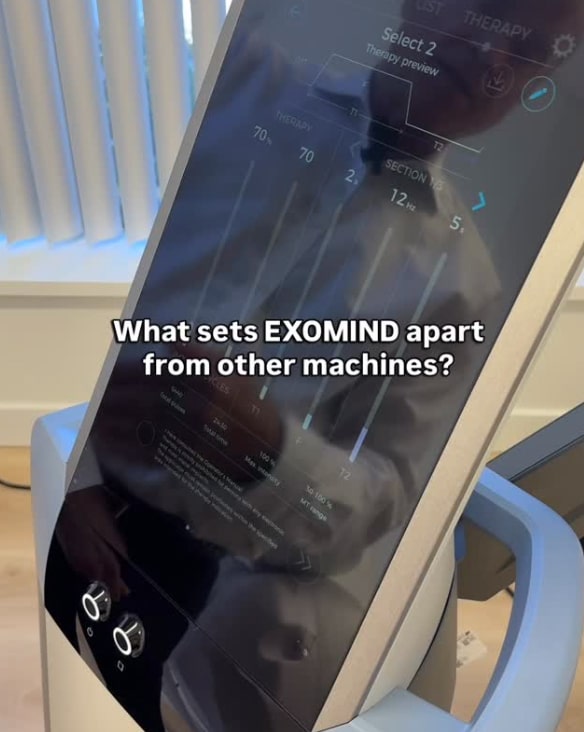
At Longevity Healthcare, we combine TMS with our ExoMind™ program and NAD+ therapy for synergistic neurological outcomes that go far beyond TMS alone.
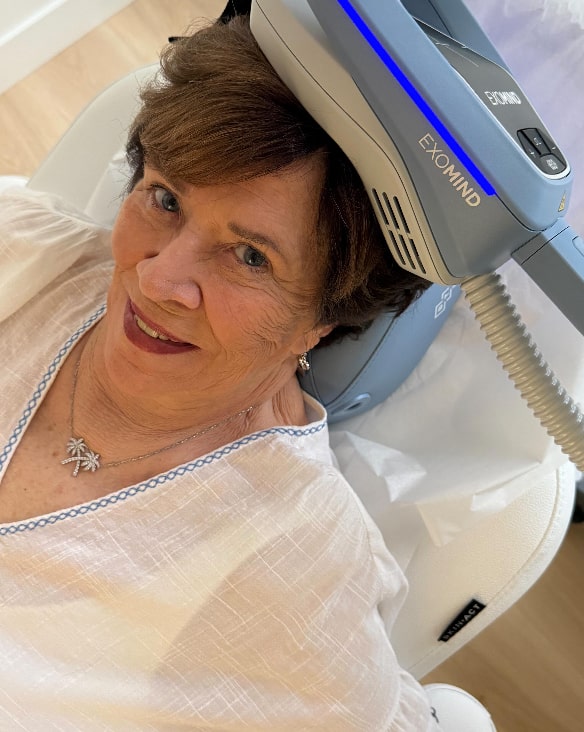
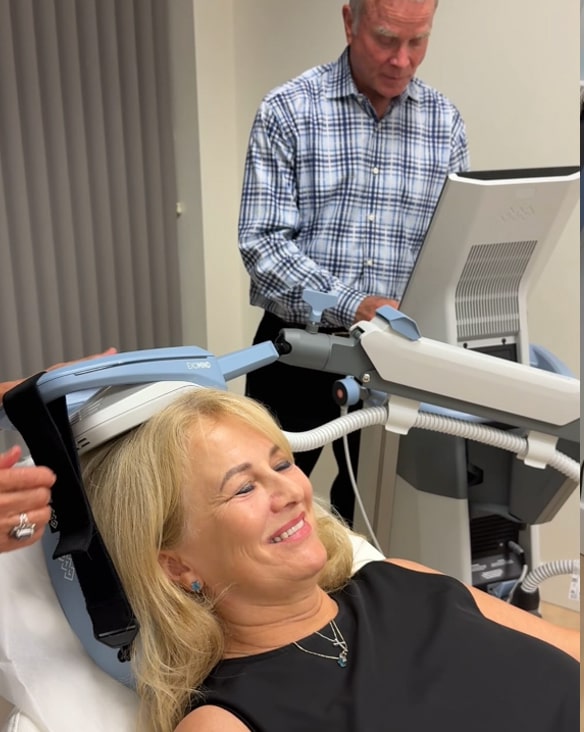
TMS delivers brief magnetic pulses through a coil placed on the scalp. These pulses penetrate the skull painlessly and generate small electrical currents in targeted brain regions, activating neurons and promoting neuroplastic changes.
Different protocols (frequency, location, duration) target different conditions—high-frequency stimulation of the left DLPFC for depression, right-sided protocols for anxiety, and temporal targeting for cognitive enhancement.
No surgery, anesthesia, or sedation required. Patients remain fully awake and comfortable.
Magnetic fields target specific brain regions with millimeter accuracy using neuronavigation.
FDA clearance for major depressive disorder and OCD, with growing evidence for anxiety and PTSD.
TMS creates durable neuroplastic changes that persist after treatment completion.
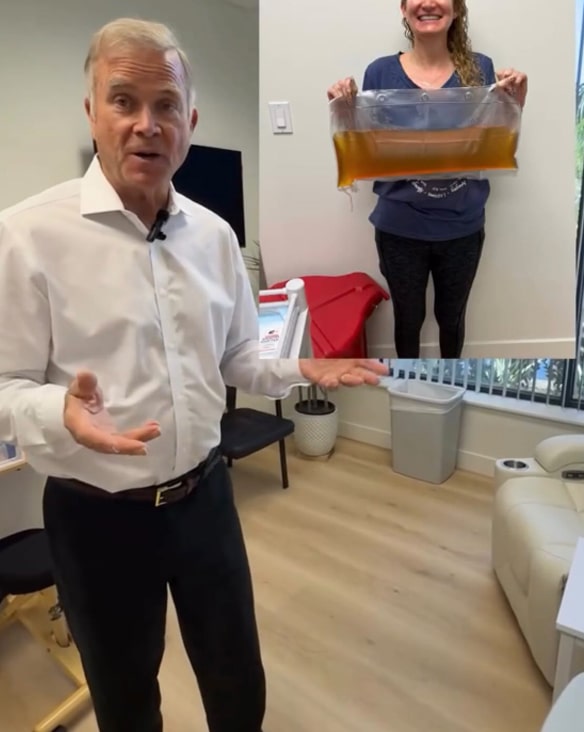
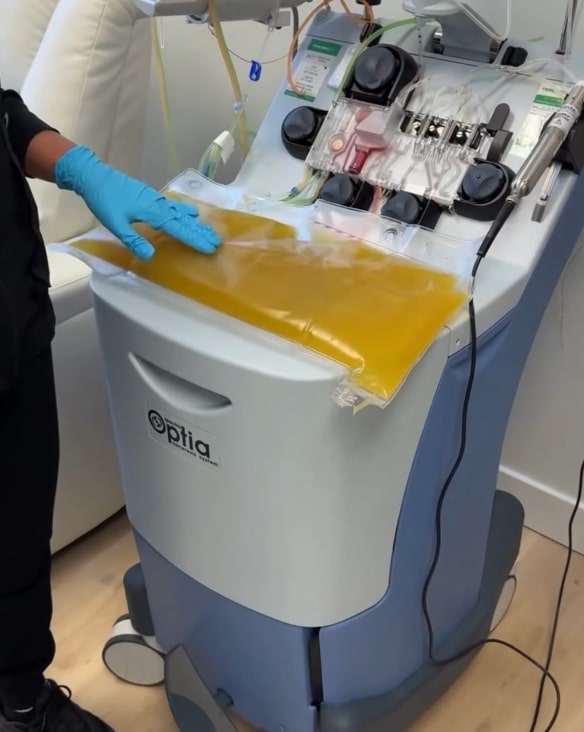
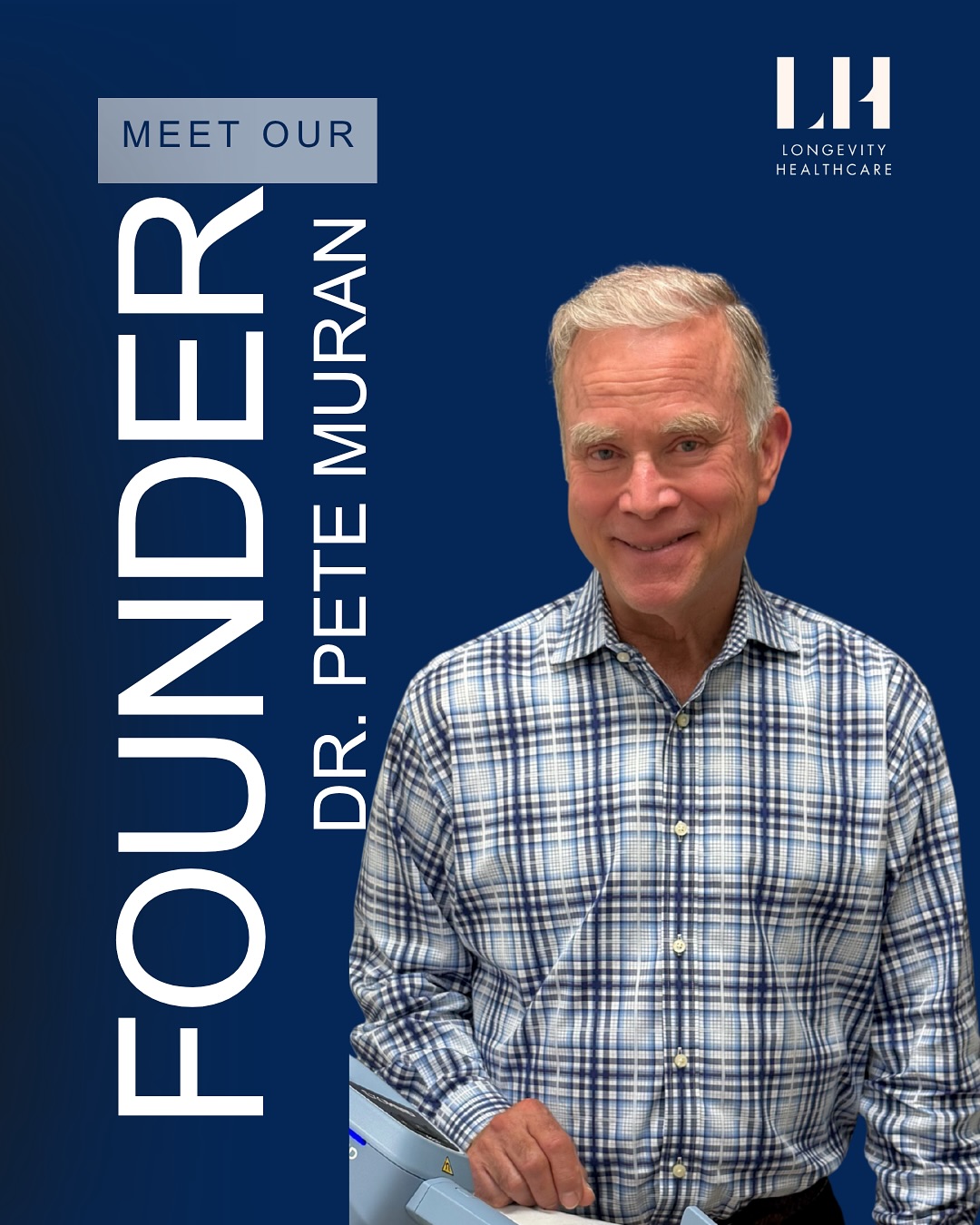
Dr. Peter Muran integrates TMS with ExoMind™ exosome therapy and NAD+ to create a comprehensive neural optimization protocol. TMS activates circuits while exosomes deliver the growth factors needed for lasting neuroplastic change.
Our comprehensive approach combines multiple modalities for maximum effectiveness.
High-frequency (10Hz) stimulation of the left dorsolateral prefrontal cortex (DLPFC). FDA-cleared with 50-60% response rate for treatment-resistant depression.
Depression Treatment →Right-sided DLPFC stimulation and inhibitory protocols to calm overactive anxiety circuits and restore prefrontal regulation.
Anxiety Treatment →Our signature combination: TMS activates neural circuits while ExoMind™ exosomes deliver BDNF and growth factors for enhanced neuroplastic outcomes.
ExoMind™ →NAD+ IV before TMS sessions provides the cellular energy neurons need to undergo the neuroplastic changes TMS stimulates.
NAD+ Therapy →Targeted TMS protocols for PTSD that modulate the amygdala-prefrontal circuit, reducing trauma-related hyperactivation.
PTSD Treatment →Theta burst stimulation (TBS) protocols targeting temporal and parietal regions for memory, focus, and processing speed enhancement.
Brain Growth →
TMS works through well-understood electromagnetic principles to create precise, targeted brain stimulation:
Magnetic Pulse: A rapid-changing magnetic field passes painlessly through the skull, inducing a small electrical current in the targeted cortical region.
Neuronal Activation: The induced current depolarizes neurons, triggering action potentials in the stimulated brain area.
Network Effects: Activated neurons signal through their connections, modulating entire neural networks—not just the stimulation site.
Neuroplastic Changes: Repeated stimulation sessions create long-term potentiation (LTP)—strengthening synapses and forming new neural pathways.
Sustained Benefits: After a full treatment course (typically 20-30 sessions), the neuroplastic changes persist, providing durable symptom improvement.
TMS is FDA-cleared specifically for patients who haven't responded to antidepressants. See our depression treatment.
Emerging evidence supports TMS for anxiety disorders through right-sided prefrontal protocols.
TMS modulates the fear circuits involved in PTSD, reducing hyperarousal and flashback intensity.
TMS enhances neuroplasticity and protects against memory loss.
TMS can modulate sleep-wake circuits to improve insomnia associated with brain overactivation.
Deep TMS targeting the anterior cingulate cortex is FDA-cleared for obsessive-compulsive disorder.
Don't let tms control your life. Schedule a comprehensive consultation with Dr. Muran to create your personalized treatment plan.
Answers about tms and our treatment approach.
No. TMS is well-tolerated by most patients. You may feel a tapping sensation on the scalp during treatment. No anesthesia or sedation is needed, and you can drive immediately after sessions. Mild scalp discomfort or headache may occur initially but typically resolves within the first few sessions.
A standard depression protocol involves 20-30 sessions over 4-6 weeks (daily sessions, Monday-Friday). Accelerated protocols (theta burst stimulation) can condense treatment to 1-2 weeks. Maintenance sessions may be recommended periodically.
TMS is non-invasive—no anesthesia, no seizure induction, no memory side effects. ECT (electroconvulsive therapy) requires anesthesia and induces controlled seizures. TMS has far fewer side effects while achieving comparable efficacy for many patients.
Yes. TMS is commonly used alongside antidepressants and other psychiatric medications. At Longevity Healthcare, we also combine TMS with ExoMind™ and NAD+ for enhanced neurological outcomes—a unique approach not available at standard TMS clinics.
Clinical studies show TMS benefits can last 6-12 months or longer after a full treatment course. Some patients benefit from periodic maintenance sessions. Our combination approach with ExoMind™ and NAD+ may enhance durability of results.
We regularly offer special pricing on our most popular treatments — from IV Infusion Therapy and ExoMind™ Brain Wellness to Regenerative Medicine and more. Call today to ask about current offers.
Call (949) 899-5377 for Current Specials
"Regenerative medicine represents the future of healing—activating your body's natural capacity to repair, regenerate, and optimize function at the cellular level. This isn't alternative medicine; it's precision biology."
Dr. Pete Muran
Founder, Longevity Healthcare


Longevity Healthcare
369 San Miguel Dr. Ste. 100
Newport Beach, CA 92660
Phone: (949) 899-5377