Post-Traumatic Stress Disorder involves measurable changes in brain structure and function—an overactive amygdala (fear center), underactive prefrontal cortex (rational control), and a hippocampus that can't properly process and file traumatic memories.
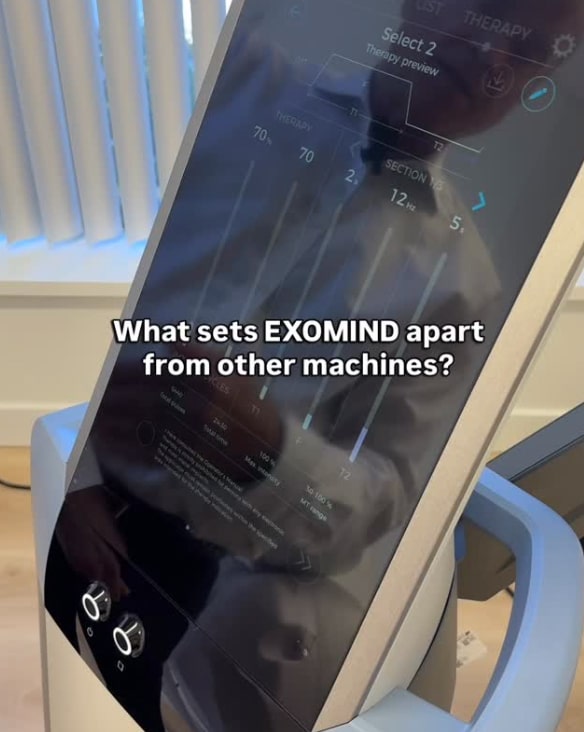
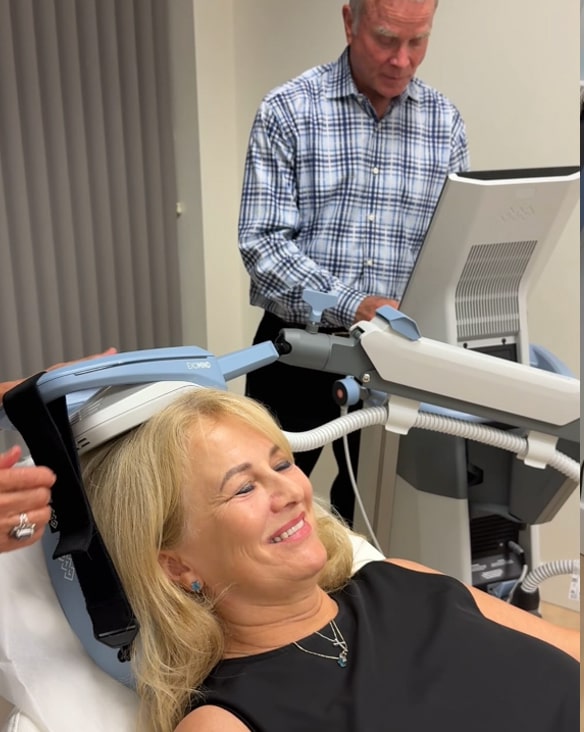
At Longevity Healthcare, we address PTSD at the neurological level, combining TMS and ExoMind™ to rebalance trauma-affected brain circuits, reduce neuroinflammation, and promote the neuroplasticity needed for genuine healing.
Trauma physically changes the brain. The amygdala becomes hyperactive (constant threat detection), the prefrontal cortex becomes underactive (reduced rational control), and the hippocampus shrinks (impaired memory processing).
This neurological triad creates the hallmark symptoms: flashbacks, hypervigilance, emotional dysregulation, avoidance, and the feeling of being permanently 'stuck' in the trauma. Addressing these brain changes directly is essential for recovery.
The brain's fear center fires constantly, creating hypervigilance, flashbacks, and startle responses.
The rational brain loses its ability to regulate emotional responses and distinguish past from present.
The memory center shrinks, preventing proper processing and filing of traumatic memories.
Chronic trauma-related inflammation damages neural circuits and prevents natural recovery.
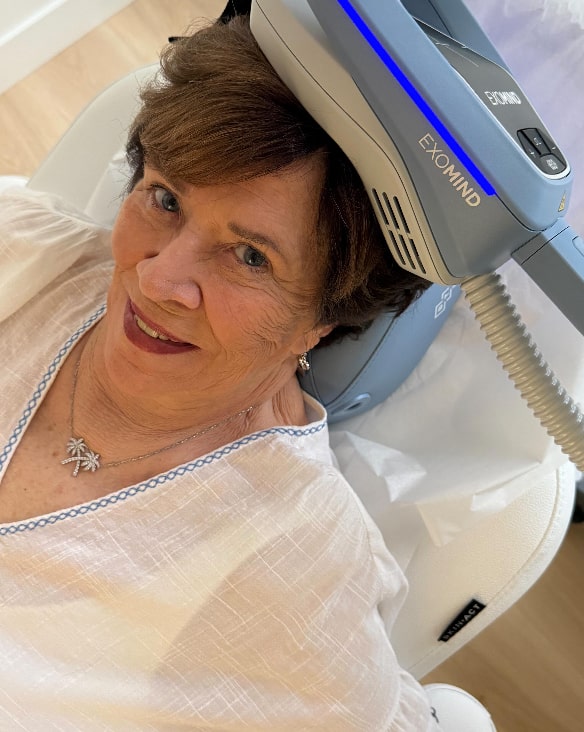
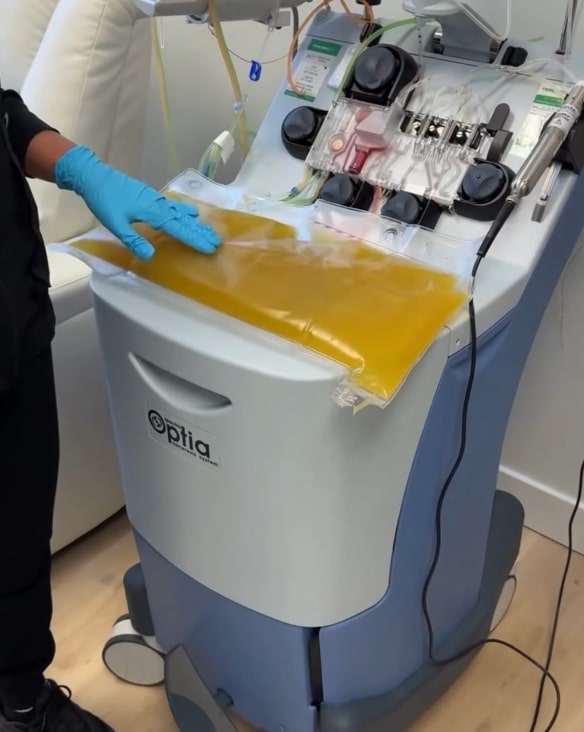
Dr. Peter Muran's PTSD protocol combines TMS to rebalance amygdala-prefrontal circuits, ExoMind™ to deliver neurotrophic factors that promote hippocampal neurogenesis, and NAD+ to restore the brain energy needed for trauma processing and neural repair.
Our comprehensive approach combines multiple modalities for maximum effectiveness.
Targeted protocols that reduce amygdala hyperactivation and strengthen prefrontal cortex regulation—rebalancing the brain circuits disrupted by trauma.
TMS Therapy →Exosomes deliver BDNF and anti-inflammatory signals to the hippocampus and prefrontal cortex, promoting neurogenesis and reducing trauma-related neuroinflammation.
ExoMind™ →Restore brain energy depleted by chronic hypervigilance and stress, supporting the neuroplastic changes needed for trauma integration.
NAD+ Therapy →For severe PTSD, targeted nerve blocks can rapidly reset the sympathetic nervous system's chronic fight-or-flight activation.
Selank and other anxiolytic peptides modulate GABA and serotonin systems, reducing hyperarousal without sedation.
Peptide Therapy →Comprehensive evaluation of cortisol patterns, inflammatory markers, neurotransmitter metabolites, and cognitive function to guide treatment.
Our neurological approach targets the specific brain changes caused by trauma:
Amygdala Regulation: TMS protocols reduce the hyperactivation of the amygdala, decreasing flashback intensity, hypervigilance, and exaggerated startle responses.
Prefrontal Restoration: Stimulating the prefrontal cortex restores its ability to regulate emotional responses and distinguish past trauma from present safety.
Hippocampal Neurogenesis: ExoMind™ exosomes deliver growth factors directly to the hippocampus, promoting the growth of new neurons needed for proper memory processing.
Neuroinflammation Reduction: Chronic trauma-related brain inflammation is reduced through exosomes and NAD+, creating the conditions for natural neural repair.
Neural Integration: With rebalanced circuits and enhanced neuroplasticity, the brain gains the capacity to properly process, contextualize, and file traumatic memories.
PTSD frequently co-occurs with depression. Our protocols address both through shared neural pathways.
Trauma-based anxiety responds to TMS amygdala regulation combined with ExoMind™ calming protocols.
PTSD-related sleep disruption improves as the nervous system rebalances.
Trauma impairs concentration and memory. Brain growth protocols restore cognitive function.
PTSD often drives self-medication. Neurological treatment reduces the trauma driving addictive behaviors.
PTSD amplifies pain perception through central sensitization. Addressing the neurological component often reduces chronic pain.
Don't let ptsd control your life. Schedule a comprehensive consultation with Dr. Muran to create your personalized treatment plan.
Answers about ptsd and our treatment approach.
Traditional talk therapy processes trauma through cognitive and emotional channels. Our approach addresses trauma at the neurological level—rebalancing brain circuits with TMS, promoting hippocampal healing with ExoMind™, and restoring brain energy with NAD+. These approaches complement talk therapy and can be used alongside it.
Yes. TMS protocols targeting the amygdala-prefrontal circuit can significantly reduce flashback frequency and intensity. By strengthening the prefrontal cortex's regulatory control over the amygdala, the brain becomes better able to distinguish past trauma from present safety.
Some patients notice reduced hypervigilance and improved sleep within the first week of TMS treatment. Significant symptom reduction typically occurs over 4-6 weeks. ExoMind™ neuroregeneration continues to improve outcomes over 2-3 months.
Absolutely. Combat PTSD involves the same neurological changes—amygdala hyperactivation, prefrontal underactivation, and hippocampal damage—that our protocols directly address. TMS has shown particular promise for military and veteran PTSD populations.
Chronic, untreated PTSD can cause measurable hippocampal volume reduction and prefrontal cortex changes. However, these changes are not necessarily permanent—the brain's neuroplasticity, enhanced by ExoMind™ and TMS, allows for genuine structural and functional recovery.
We regularly offer special pricing on our most popular treatments — from IV Infusion Therapy and ExoMind™ Brain Wellness to Regenerative Medicine and more. Call today to ask about current offers.
Call (949) 899-5377 for Current Specials
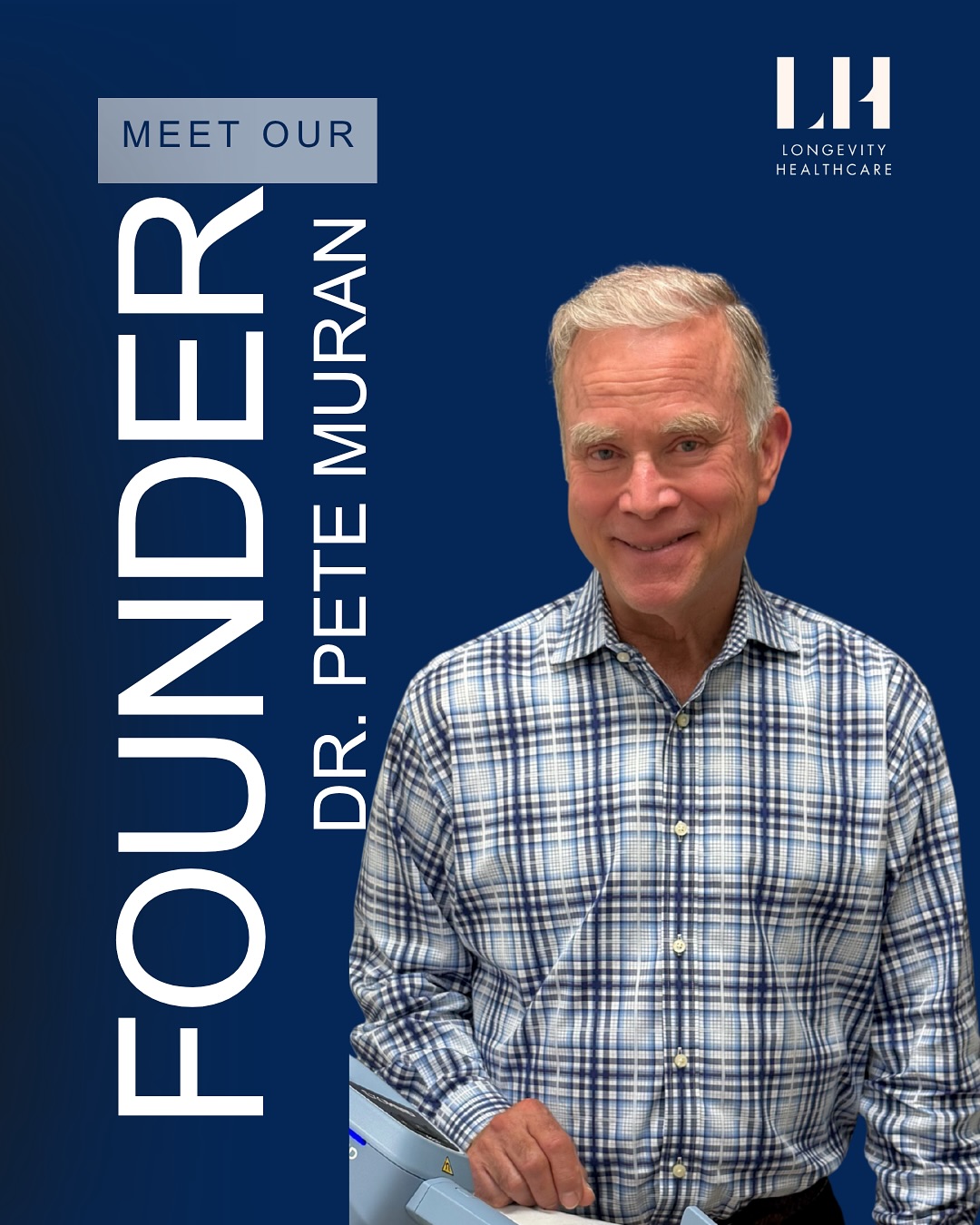
"Regenerative medicine represents the future of healing—activating your body's natural capacity to repair, regenerate, and optimize function at the cellular level. This isn't alternative medicine; it's precision biology."
Dr. Pete Muran
Founder, Longevity Healthcare


Longevity Healthcare
369 San Miguel Dr. Ste. 100
Newport Beach, CA 92660
Phone: (949) 899-5377