Mast Cell Activation Syndrome (MCAS) occurs when your mast cells—immune cells designed to protect you—become hyperactive and release excessive inflammatory mediators including histamine, prostaglandins, leukotrienes, and cytokines, often without a clear trigger.
MCAS can cause reactions in virtually every organ system: flushing, hives, abdominal pain, brain fog, heart palpitations, and anaphylaxis-like episodes. At Longevity Healthcare, Dr. Muran addresses both symptom stabilization and root-cause identification.
Mast cells are sentinel immune cells found throughout your body—especially in skin, gut, lungs, and around blood vessels. In MCAS, these cells become inappropriately activated, degranulating and releasing over 200 different chemical mediators.
MCAS is frequently triggered by underlying conditions like CIRS, Lyme disease, or mold toxicity. Identifying and treating the root trigger is essential for long-term resolution.
Skin flushing, hives, swelling, and itching from excessive histamine and mediator release.
Abdominal pain, nausea, diarrhea, food sensitivities, and malabsorption from gut mast cell activation.
Brain fog, headaches, anxiety, insomnia, and cognitive impairment from neuroinflammation.
Tachycardia, blood pressure fluctuations, and pre-syncopal episodes from vascular mast cell activation.
Dr. Peter Muran uses comprehensive mast cell mediator testing, functional medicine diagnostics, and a multi-layered treatment approach combining mast cell stabilizers, histamine management, and root-cause resolution to bring MCAS under control.
Our comprehensive approach combines multiple modalities for maximum effectiveness.
Serum tryptase, 24-hour urine histamine and prostaglandins, chromogranin A, and comprehensive inflammatory panels to confirm mast cell activation.
Cromolyn sodium, quercetin, luteolin, and other mast cell stabilizers to prevent inappropriate degranulation and mediator release.
IV vitamin C (a natural antihistamine), magnesium, and B vitamins to support histamine metabolism and reduce inflammatory burden.
IV Therapy →BPC-157 and other peptides to repair gut lining damage from chronic mast cell activation and reduce intestinal permeability.
Peptide Therapy →Dietary guidance, DAO enzyme support, and targeted supplementation to manage histamine burden while addressing underlying triggers.
Testing for CIRS, mold toxicity, Lyme disease, heavy metals, and other triggers that drive mast cell hyperactivation.
CIRS Treatment →
When mast cells degranulate inappropriately, they release a storm of chemical mediators that affect virtually every organ system:
Trigger Activation: Environmental, chemical, physical, or emotional triggers cause mast cells to degranulate—releasing histamine, tryptase, prostaglandins, and 200+ other mediators.
Histamine Flood: Excess histamine causes flushing, hives, headaches, GI distress, tachycardia, and anxiety. DAO enzyme systems become overwhelmed.
Inflammatory Cascade: Prostaglandins, leukotrienes, and cytokines amplify the inflammatory response, creating a self-perpetuating cycle.
Tissue Damage: Chronic mediator release damages gut lining (leaky gut), blood vessels, nerves, and connective tissue over time.
Multi-System Dysfunction: Long-term MCAS affects digestion, cognition, cardiovascular function, mood, and immune regulation simultaneously.
MCAS frequently co-occurs with CIRS and mold toxicity—addressing the root trigger is key.
Mast cell activation drives autoimmune inflammation. Stabilizing mast cells reduces flares.
GI mast cell activation causes IBS-like symptoms. See our digestive health approaches.
Neurological MCAS symptoms overlap with anxiety and cognitive decline. Mast cell stabilization often resolves both.
Mast cell mediators interfere with hormonal balance, especially estrogen and progesterone.
MCAS dramatically increases food reactivity. Our protocols include low-histamine dietary guidance and DAO enzyme support.
Don't let mcas control your life. Schedule a comprehensive consultation with Dr. Muran to create your personalized treatment plan.
Answers about mcas and our treatment approach.
Mastocytosis involves an abnormal proliferation (overgrowth) of mast cells. MCAS involves normal numbers of mast cells that are hyperactive and degranulate inappropriately. MCAS is far more common and is diagnosed based on symptoms, mediator elevation, and response to mast cell-targeted therapy.
Triggers vary widely between patients and can include certain foods (especially high-histamine foods), heat, cold, stress, exercise, fragrances, chemicals, medications, and hormonal fluctuations. Identifying your personal triggers is a key part of management.
Diagnosis requires meeting three criteria: (1) episodic multi-system symptoms consistent with mast cell mediator release, (2) laboratory evidence of elevated mast cell mediators (tryptase, histamine, prostaglandins), and (3) improvement with mast cell-targeted treatments.
While MCAS can be well-managed, the genetic tendency toward mast cell hyperactivation often persists. However, when we identify and treat underlying triggers like CIRS, mold toxicity, or Lyme disease, many patients achieve significant and lasting improvement or even remission.
Histamine intolerance occurs when your body can't break down histamine fast enough—often due to low DAO enzyme activity. MCAS produces excess histamine from overactive mast cells. They often overlap and compound each other, requiring both mast cell stabilization and histamine metabolism support.
Yes. Histamine and other mast cell mediators cross the blood-brain barrier and act as neurotransmitters. Excess histamine causes anxiety, insomnia, brain fog, and headaches. Many patients diagnosed with anxiety disorders actually have underlying MCAS.
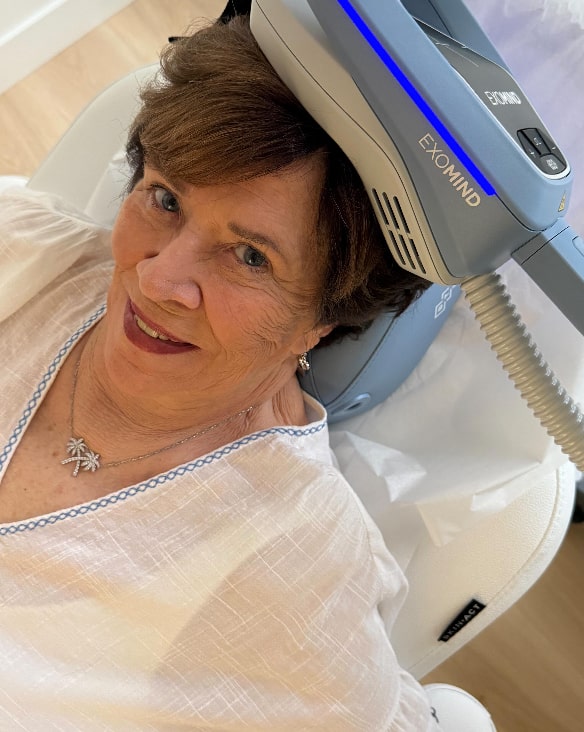
We regularly offer special pricing on our most popular treatments — from IV Infusion Therapy and ExoMind™ Brain Wellness to Regenerative Medicine and more. Call today to ask about current offers.
Call (949) 899-5377 for Current Specials
"Regenerative medicine represents the future of healing—activating your body's natural capacity to repair, regenerate, and optimize function at the cellular level. This isn't alternative medicine; it's precision biology."
Dr. Pete Muran
Founder, Longevity Healthcare


Longevity Healthcare
369 San Miguel Dr. Ste. 100
Newport Beach, CA 92660
Phone: (949) 899-5377